
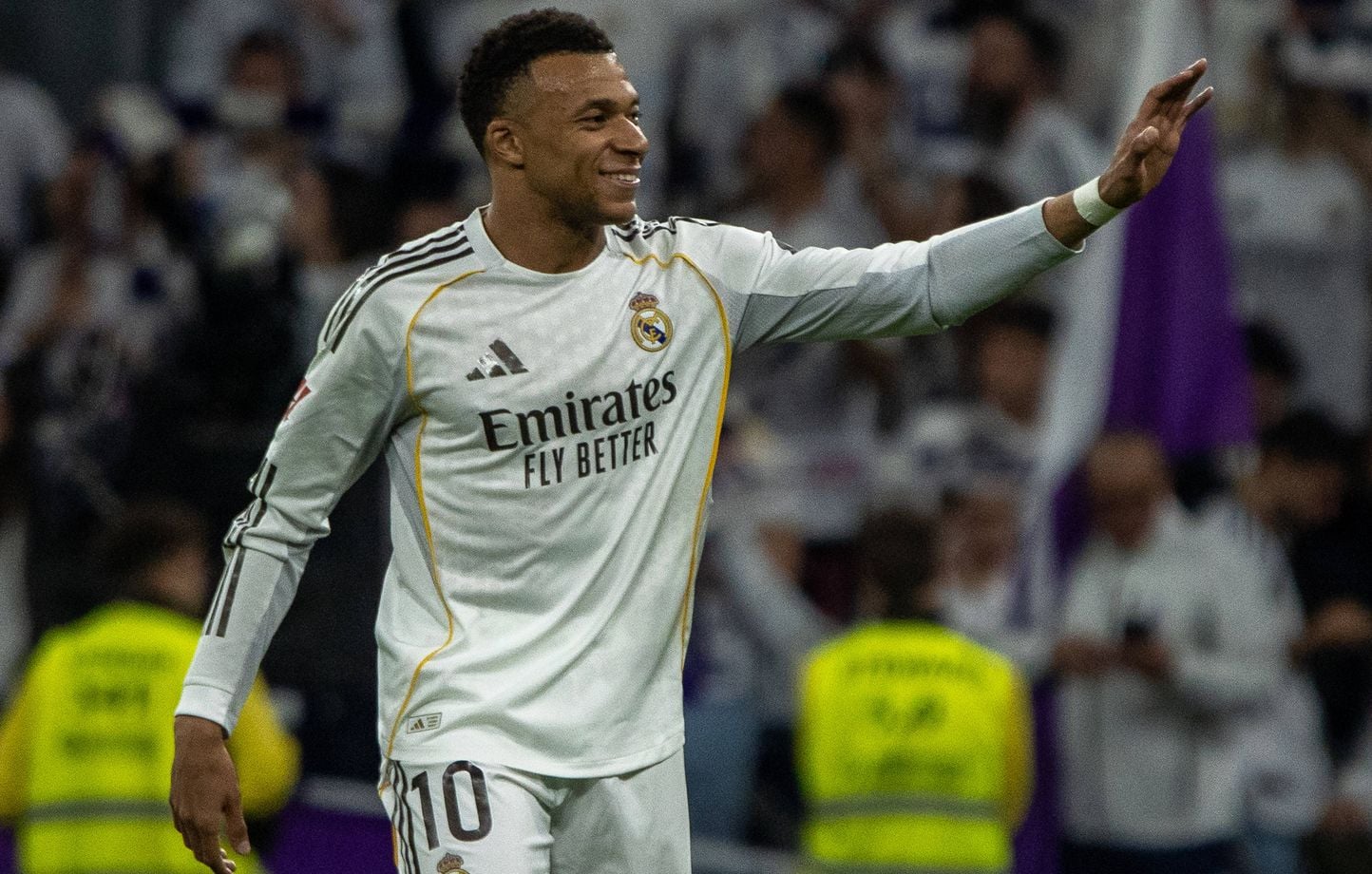
The story may make you smile, but Real Madrid grimaces. According to the Spanish and French press, Kylian Mbappé, injured in his left knee, was examined in the wrong knee, the right, by the Madrid medical staff last December.
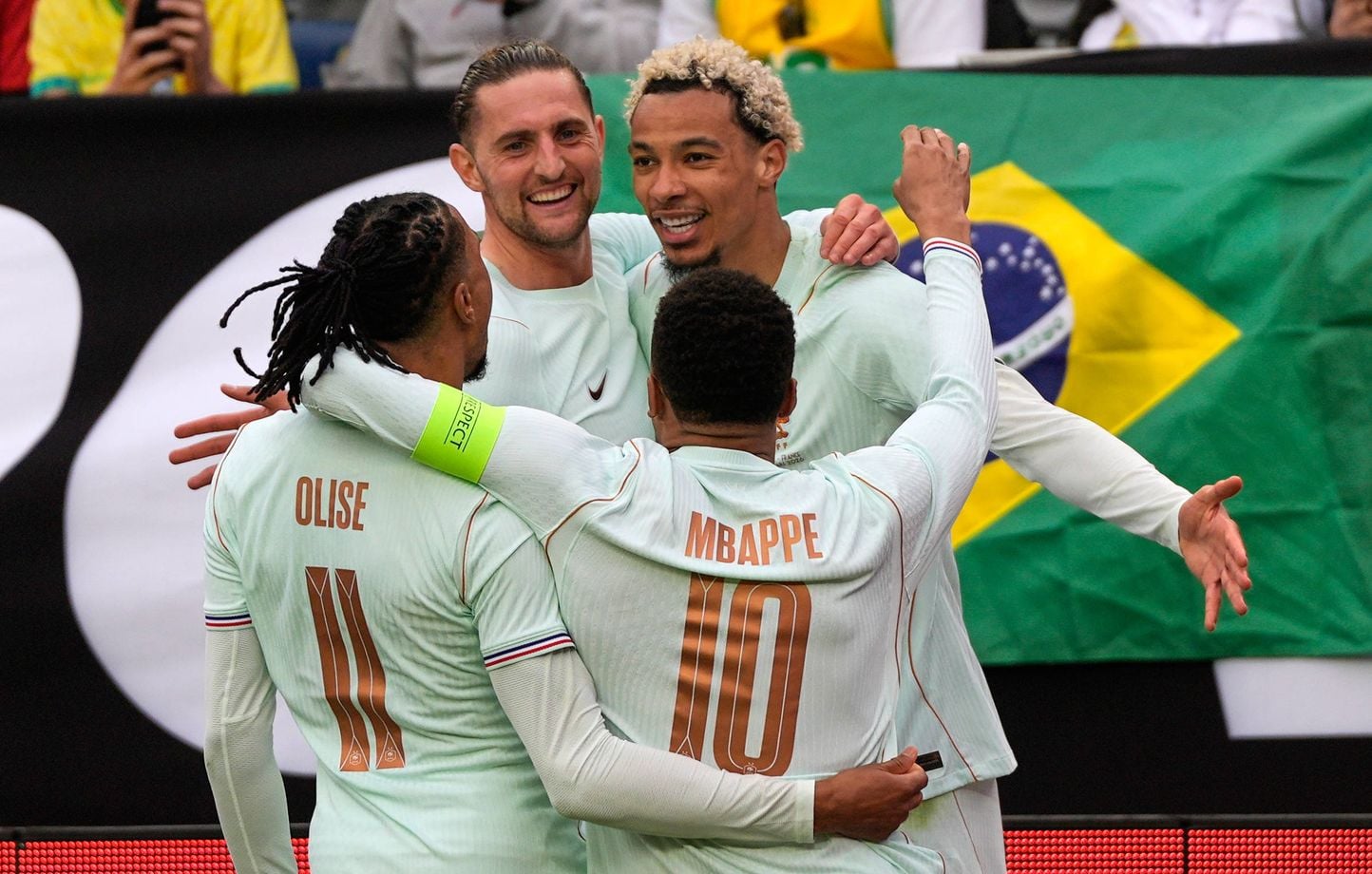
If the club’s striker denied this information at a press conference on Wednesday before the France-Brazil friendly match in the United States, the anecdote raises a real technical question. Is it possible for a professional to have the wrong leg during an MRI? 20 Minutes asked Valérie Bousson, president of the Musculoskeletal Imaging Society (Sims).
Is it possible to have the wrong knee during an MRI?
In practice, no. To perform a knee MRI, a dedicated antenna – a sort of sleeve – is installed around the painful or traumatized or pathological knee. The antenna is positioned and centered precisely on the knee to be analyzed. We only explore the knee for which the examination was requested, the other knee is simply not in the field of exploration.

If you place the antenna around the wrong knee, the patient normally signals that the knee that hurts – or has been traumatized – is not the one on which you place the antenna, but the other. Unless there is an impossibility of communication or a very specific context, dialogue with the patient and systematic verification of the side to be explored are part of the routine. For me, it is difficult to understand how you can have the wrong knee, whether for a very high level athlete or for the average person.
(The player himself admitted to being “perhaps indirectly responsible” because he had “not communicated”).
What if we had done an MRI of both knees?
If the clinical context justified the exploration of both knees, for example in the event of trauma on both sides, we would in practice carry out two separate examinations: first one knee with the dedicated antenna, then we would reposition this antenna on the other side. This would be two separate exams, each focused on one knee. Knee MRI, when looking for damage to the cruciate ligaments (anterior or posterior), collateral ligaments, menisci or bone fracture, is based on fine sequences with very rigorous centering.
Current MRIs are extremely efficient equipment. They allow cuts of the order of a millimeter, or even less, to analyze in detail all the structures, capable of revealing bone contusions or ligamentous micro-tears. These are extremely sensitive examinations, which specialist radiologists know how to interpret very well.
Let’s imagine that there was a communication problem upstream. Wouldn’t a radiologist realize it anyway?
However, let’s assume that the exam is performed on the wrong knee. The radiologist has safeguards. When the images are acquired, they are oriented in space, and we know immediately whether the images are those of a right knee or a left knee. Because a right knee doesn’t look like a left knee – it’s like if you have the patient in front of you, you know which is their right knee and which is their left knee.
Then, the very content of the images must be consistent with the clinical context. If a patient is referred to us for suspicion of significant ligament injury after a sports trauma, we expect to find direct or indirect signs of trauma: ligament abnormalities (anterior or posterior cruciate, medial or lateral collateral), meniscal lesions, bone contusions, joint effusion, damage to the soft tissues at the site of the impact.
For a football knee sprain, it is unusual to find a strictly normal knee, without any effusion or signs of trauma. A completely normal examination, faced with a story of significant trauma, must question the radiologist and encourage him to recheck the side explored and the concordance of the clinical information, with the patient and/or with the medical staff. This is why the story of Mbappé is a very special story…
Continuing to play without a good diagnosis, is it serious?
I don’t know Kylian Mbappé’s file, so it’s difficult to answer. According to the information communicated, he suffered a lesion of the lateral collateral ligament of the left knee. For this type of injury, there are different stages of severity, from a mild sprain to a complete rupture, and the treatment is not the same.
Our file on Mbappé
If his medical staff authorized him to resume racing quickly, it is because the clinical examination was probably not alarming. An experienced sports doctor already assesses many things with a clinical examination: knee stability, pain during certain maneuvers, laxity. In Mbappé’s case, the fact that he was able to continue playing suggests that he had a rather minor or moderate injury.





Leave a Reply