
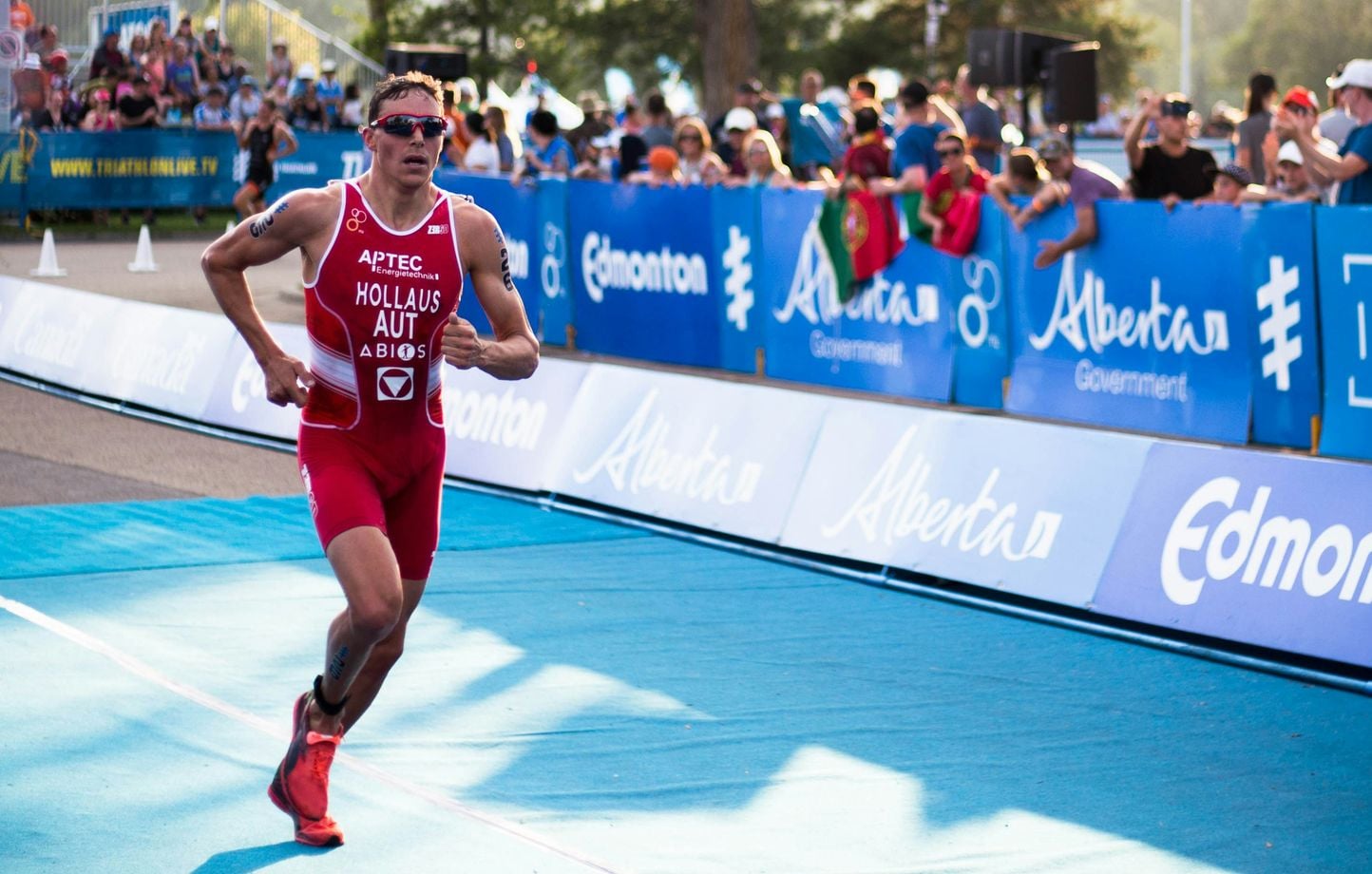
An Ironman corresponds to a sequence of 3.8 km of swimming, 180 km of cycling and 42,195 km of running, to be completed in a time limit of 16 hours. As impressive as these distances may be, “this event is not reserved for the elites”, immediately reassures Christophe Llamas, Deca triathlon world champion in 2004 and 2006. According to him, the key to this race “does not lie in talent, but in regularity”.
Unlike other competitions, “a first Ironman is not won against others, but against yourself”, insists the author of the book Sustained success in triathlon. Indeed, as part of a first Ironman, you must plan between 9 and 12 months of progressive preparation. During which the key words will be: consistent training, adapted diet, optimal recovery.
How to build a training program for an Iron Man?
To succeed in an Ironman, “an average volume of 8 to 12 hours per week is enough”, assures Christophe Llamas, affirming that the difference is made thanks to progressiveness and specificity. The coach recommends on average two weekly swimming sessions, two cycling sessions, two running sessions as well as a cycling and running session, to work on transitions.
Note that cycling must represent “the main load in terms of volume”, insists the coach, “because it is the longest discipline, which directly conditions the quality of the final marathon”.
According to the professional, it is essential to integrate for a first Iron Man:
Polarized training. This is the central principle that constitutes approximately 80% of the time in fundamental endurance (65 to 75% of maximum heart rate), and 20% in controlled intensity.
Active or threshold endurance sessions (75 to 88% of maximum heart rate). “These intensities are more than sufficient for a first finisher objective.”
Long outings. They concern cycling and running with nutritional testing. And cycling and running sequences, because “it is essential to repeat the transitions in training. The time saving comes mainly from organization and automation, not from sophisticated equipment,” warns Christophe Llamas.
For urban athletes, he recommends targeted courses, such as “Cycle & Run by Ramify” in the Episod studios for example, which can constitute an “excellent complement for working on the sequences” in preparation for your race.
Recovery. The coach advises integrating a lighter week every three weeks with a priority on sleep and a weekly off day. “Succeeding in Ironman means arriving at the start in good health, with energy and crossing the finish line with a smile.”
What equipment does an Iron Man need?
As in all sports, suitable equipment is essential to optimize your practice, “but with a logic of simplicity”. For this, the former decathlon world champion advises:
A unique tri-suit. For both men and women, the tri-suit will be used for all three disciplines in order to save time on transitions. The coach recommends a neoprene material which “improves buoyancy and comfort if permitted depending on the water temperature”.
Shoes suitable for cycling and running. Running shoes should take into account post-cycling muscle fatigue. “We are looking for sufficient cushioning, but above all good stability,” says the professional. Your models used in marathons may be suitable if you are used to them.
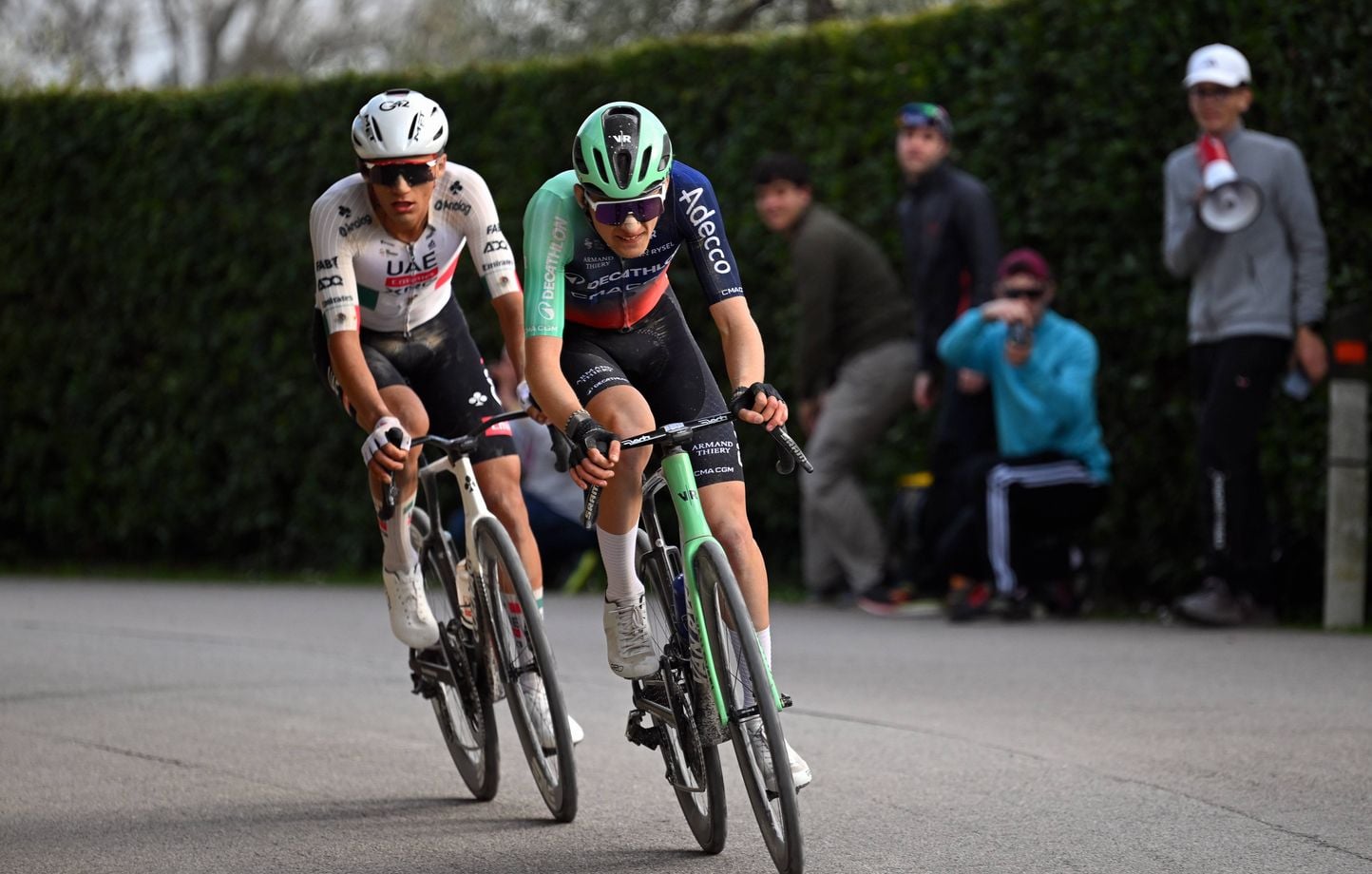
Cycling equipment. “A road bike is more than enough for a first Ironman,” assures Christophe Llamas. Here, the priority must above all be on comfort and postural adjustment carried out by a professional. Because “comfort over 180 km directly determines the ability to run afterwards”. Be careful, “Extreme aerodynamics is not a priority for a beginner”. Also note that “hybrid bikes are not suitable for long distance”. With this, choose a ventilated bicycle helmet. Ideally, clear, in case of heat.
The glasses. “They are not legally mandatory, but essential in practice for visibility and safety,” insists the coach.
A multisport GPS watch. It must have good autonomy and several modes to make changes.
The heart belt. This is “the most important element” according to the former decatriathlon world champion! Car “optical sensors on the wrist lack precision, especially over a long period of time”.
How to eat on an Iron Man?
In an event like the Ironman, “nutritional strategy plays a determining role in performance and the ability to complete the event,” warns Marie Chavanes, nutritionist for the sports performance brand Nutripure. Indeed, the total duration of the effort (between 8 to 16 hours) involves maintaining sufficient energy and water intake while preserving digestive tolerance.
Nutrition
For a long endurance effort, the idea is to “maximize glycogen reserves (main fuel for muscles) the week before the competition,” explains the nutritionist. This is called carbohydrate loading. To do this, the professional recommends increasing your consumption of carbohydrates, favoring sources that are easy to digest, such as rice, sweet potatoes, compotes or bananas. And at the same time, reduce fiber and fat intake in order to limit the risk of digestive disorders during exercise.
On race day, it is just as essential to “maintain a constant intake of carbohydrates to delay fatigue and support energy levels,” continues the latter, citing scientific recommendations which suggest an intake of 60 to 90 grams of carbohydrates per hour, in different forms: energy gels, isotonic drinks, bars, bananas or compotes.
This intake must obviously be distributed regularly to facilitate absorption and limit digestive disorders. But the nutritionist warns: “Digestive tolerance is individual, it is crucial to train to consume carbohydrates during exercise”. “The higher the intake, the more gastric emptying, i.e. digestion time, is slowed down. It is therefore appropriate to do it gradually.” This strategy is called GUT Training, as “the digestive system adapts to the effort like the muscles”.
Remember that the nutritional strategies planned for race day must be tested during long training sessions in order to identify the best tolerated foods and to get used to them. It is therefore forbidden to test a product on the big day!
Hydration
Hydration is another central factor in staying on course. As Marie Chavanes explains: “dehydration can quickly impair performance, increase the risk of digestive disorders and increase heart rate”. Generally, the requirements are between 500 and 800 milliliters of fluid per hour, but they vary depending on the temperature, the intensity of the effort and individual sweating.
So remember to bring enough water via flasks or water bottles to manage your effort until the finish line.










Leave a Reply